
Services > Pet Surgery
Surgery
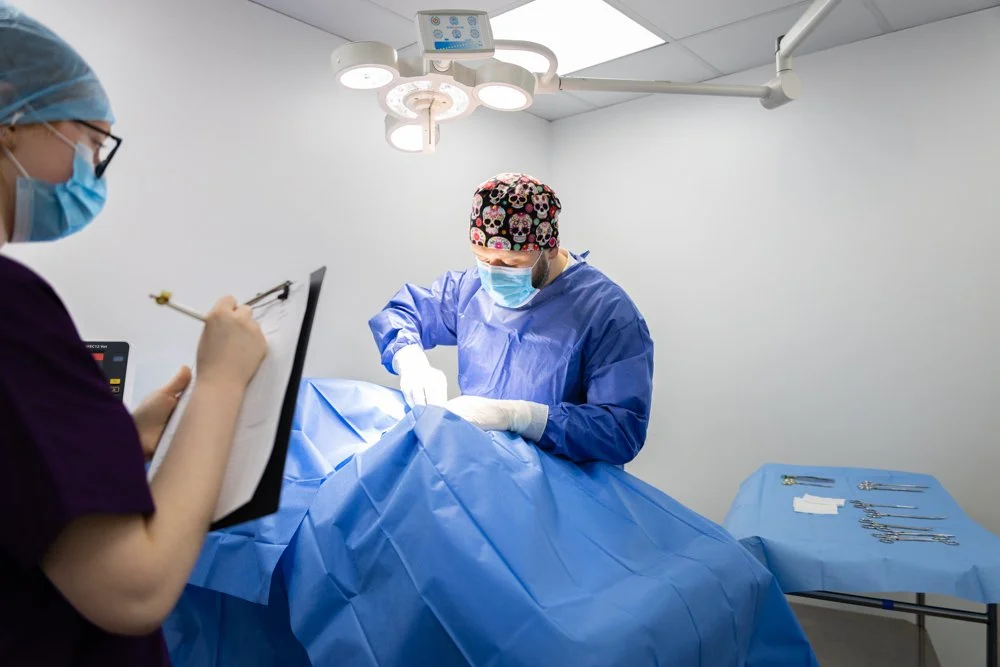
Surgery can be a worrying prospect for any pet owner, but knowing your pet is in experienced hands makes all the difference.
At Godiva Veterinary Clinic in Coventry, our surgical team carries out a wide range of procedures, from routine neutering procedures to more specialised surgeries including soft tissue surgery, orthopaedic surgery and ophthalmology procedures.
We maintain high standards of anaesthetic care, surgical technique, and post-operative monitoring throughout every procedure.
★★★★★ 4.8 Avg.

Surgeries We Perform at Godiva Vets
At Godiva Veterinary Clinic performing surgery is part of our day to day operation. From routine neutering’s to orthopaedic procedures, we provide gold standard surgical care for your pet.
We have several vets who are surgery certificate holders, one of which has a special interest in orthopaedic surgery. We have two large sterile operating theatres and use some of the most up to date surgical equipment. Below is a list of some of the more specialised surgeries we can offer at Godiva Veterinary Clinic.
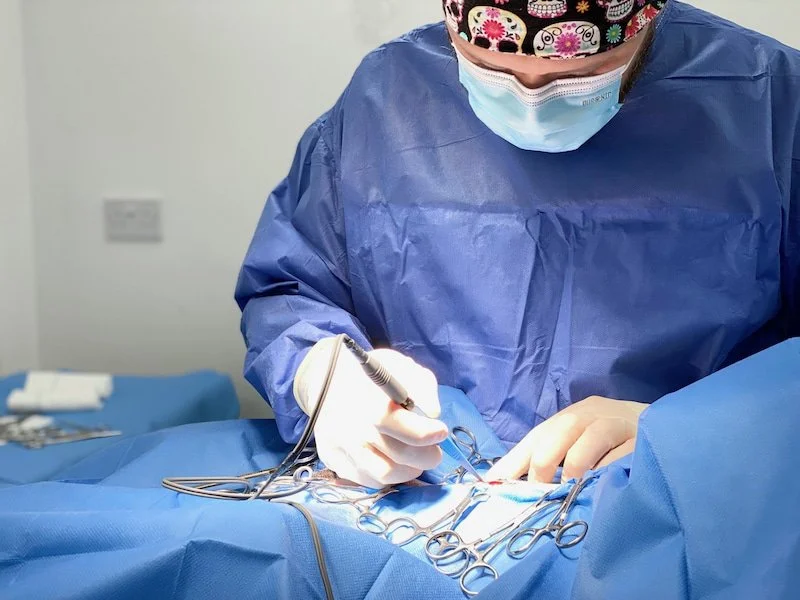
Soft Tissue
-
BOAS surgery, or Brachycephalic Obstructive Airway Syndrome surgery, is a procedure designed to alleviate breathing difficulties in dogs with short snouts. This surgery aims to correct structural issues in the airway, allowing for improved airflow and a better quality of life for affected breeds.
-
Perineal Herniorrhaphy is a surgical procedure used in veterinary medicine to repair a hernia that occurs in the perineal region of dogs. This type of hernia can lead to the protrusion of tissue through an abnormal opening, causing discomfort and potential complications.
The surgery involves carefully repositioning the displaced tissue and reinforcing the surrounding muscles to prevent recurrence.
-
An analsaculectomy is a surgical procedure carried out on dogs to remove the anal sacs, which are small glands located near the anus. These glands can become impacted, infected, or cause discomfort, leading to various health issues.
By performing this surgery, veterinarians aim to eliminate pain and prevent recurring problems, ultimately improving the dog’s overall well-being and comfort.
-
A thyroidectomy is a surgical procedure performed on cats to remove all or part of the thyroid gland, which is located in the neck. This gland plays a crucial role in regulating metabolism and overall health.
In some cats, the thyroid can become overactive, leading to hyperthyroidism, a condition that can cause weight loss, increased appetite, and other serious health issues.
By surgically removing the affected thyroid tissue, veterinarians aim to restore balance to the cat’s metabolism, alleviating symptoms and improving their quality of life.
-
A cystotomy is a surgical procedure to access the bladder for various reasons. This may include the removal of urinary stones, tumours, or to obtain tissue samples for diagnostic purposes.
Orthopaedic Surgery
-
TPLO surgery, or Tibial Plateau Leveling Osteotomy, is a common procedure performed on dogs to treat cranial cruciate ligament injuries. This surgery involves reshaping the tibia to stabilise the knee joint, allowing for improved mobility and reduced pain. By realigning the bones, TPLO helps restore your dog’s ability to run, jump, and play without discomfort, making it a vital option for many pets suffering from knee issues.
-
Patella luxation surgery is a procedure designed to correct the dislocation of the kneecap in dogs. This condition can cause significant discomfort and mobility issues, as the patella may slip out of its normal position, leading to pain and difficulty in movement.
The surgery involves realigning the patella and securing it in place, often by deepening the groove in the femur where the kneecap sits. This helps to ensure that the patella remains stable during your dog’s daily activities.
After the surgery, many dogs experience a remarkable improvement in their ability to walk, run, and play, allowing them to enjoy a more active and pain-free life.
-
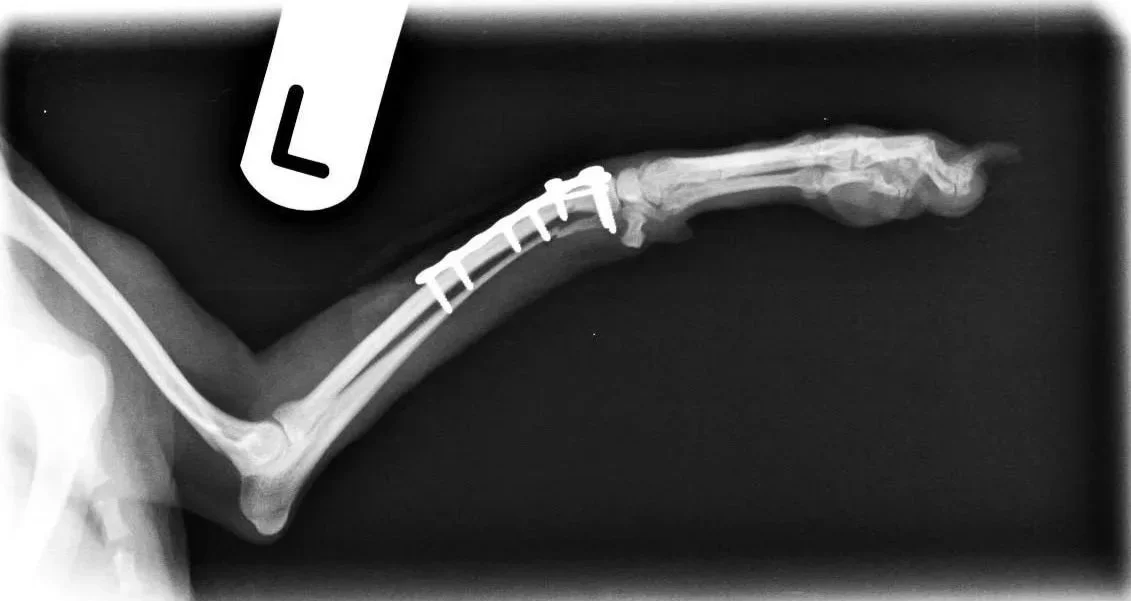
Humeral condylar fracture surgery is a critical procedure for dogs that have sustained a fracture in the humerus, particularly at the elbow joint. This surgery aims to realign the fractured bone fragments and secure them in place using specialised plates and screws.
By restoring the proper alignment and stability of the joint, the surgery promotes healing and helps to prevent long-term complications such as arthritis. Following the procedure, dogs typically undergo a rehabilitation programme to regain strength and mobility, allowing them to return to their active lifestyles with minimal discomfort.
-
Fracture repair surgery for cats and dogs is a procedure to mend broken bones and restore normal function. This operation often involves the application of various stabilising devices such as plates, screws, or pins to hold the fractured sections in place. By ensuring that the bones are correctly aligned, the surgery promotes effective healing, enabling pets to regain their mobility.
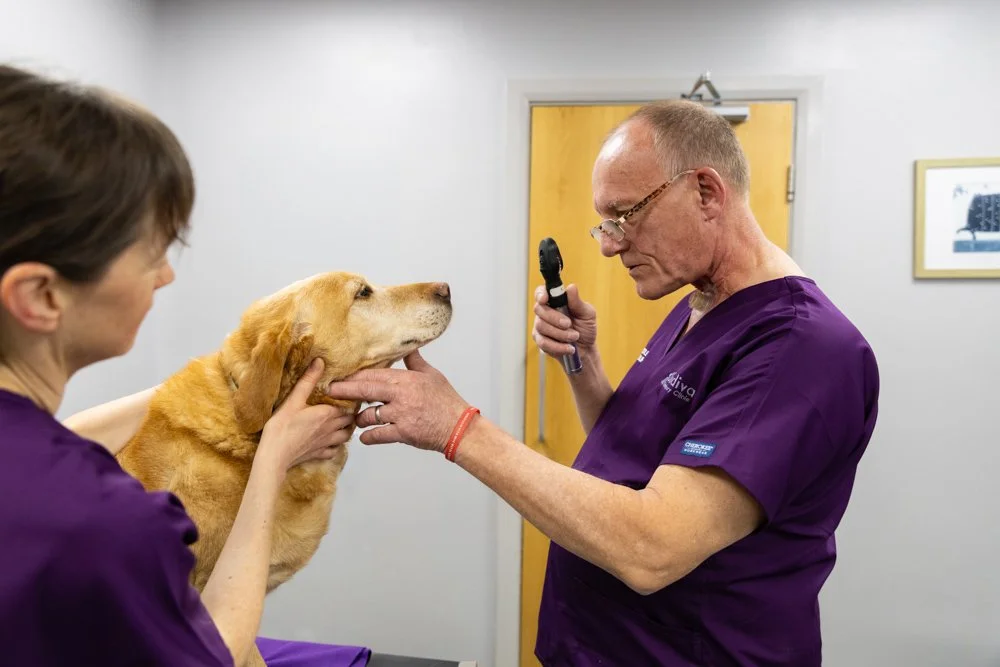
Ophthalmology
-
Cherry eye surgery is a veterinary procedure aimed at addressing the issue of a protruding third eyelid gland in pets, particularly common in certain dog breeds. This condition can cause discomfort and may lead to further complications if left untreated.
The surgery involves the careful repositioning of the gland to restore it to its normal anatomical location, thereby reducing inflammation and preventing irritation.
-
Entropion surgery is a procedure designed to correct the inward rolling of a pet’s eyelid, a condition that can lead to irritation and discomfort. This issue is particularly prevalent in certain dog breeds, where the eyelid may rub against the eye, causing pain and potential damage.
During the surgery, the veterinarian carefully assesses the eyelid’s position and makes precise adjustments to ensure it sits correctly, alleviating any pressure on the eye.
-
Enucleation is the surgical removal of the entire eyeball (globe) while preserving the surrounding orbital tissues. It is commonly performed in animals to treat severe eye trauma, painful blind eyes, intraocular tumors, severe infections, or advanced glaucoma when vision cannot be restored. The procedure aims to eliminate pain, remove diseased tissue, and improve the animal's quality of life.
Caring Expertise
Our experienced team will work with you to ensure your pet receives the best possible care.
Best in Class Facilities
Relax knowing you pet has access to the very best in modern veterinary technology.
Proudly Independent
We’re trusted by 7,500+ pet owners in our community and proudly serving Coventry for over 40 years.Pet Surgery Frequently Asked Questions
-
Some species of pets like dogs and cats will need to be starved before their anaesthetics as this helps reduce the risk of vomiting while under anaesthesia. You’ll be given specific instructions from our team on starving your pet before their procedure.
If you have a small pet such as a Rabbit or Rodent they will NOT be required to be starved before their procedure as this is very dangerous. Again, a member of our team will advise you on feeding instructions before your pets arrival to surgery.
-
Recovery times vary based on an individual basis and what surgery your pet has had. Most pets are recovered from the anaesthesia after 48 hours, but surgery recovery is widely varied.
Please keep in touch throughout your pets recovery if you have any questions or worries. You can message us via petsapp, phone our reception team or contact Vidivet for any out of hours concerns.
-
Your pet’s comfort is a priority. We use effective pain relief before, during, and after surgery, and may send medication home. If your pet seems uncomfortable, contact us so we can help adjust their care.
-
In many cases, yes. A protective collar (cone) helps prevent licking or chewing at the surgical site, which can delay healing or cause infection. However other options such as surgical suits and inflatable collars may also be advised.